


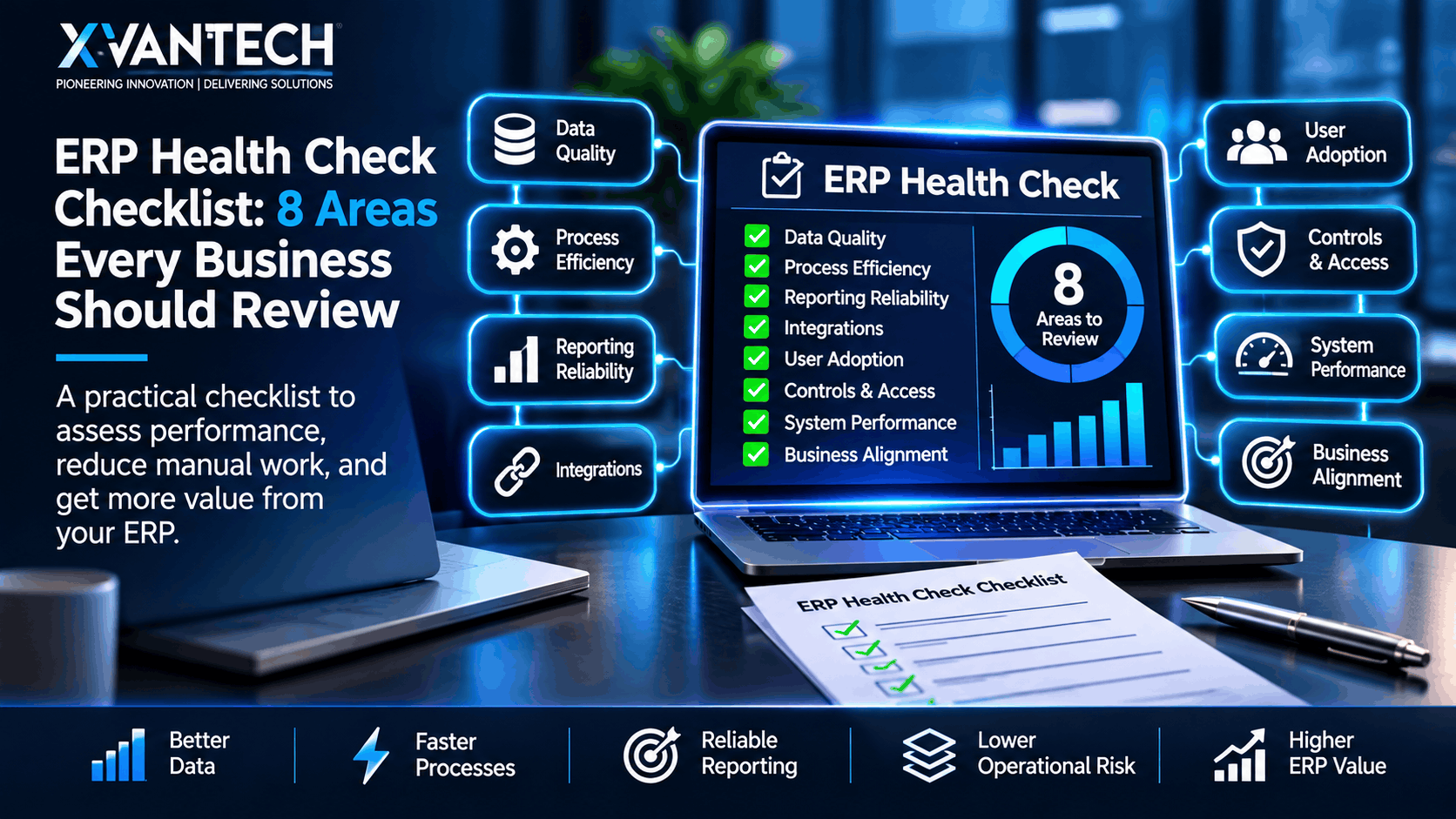
An enterprise resource planning system can remain operational for years while quietly becoming less effective. Transactions still process. Users can still log in. Orders, invoices, and journal entries continue moving through the system. From the outside, everything may appear to be working. Behind the scenes, however, employees may be spending more time correcting data, maintaining […]
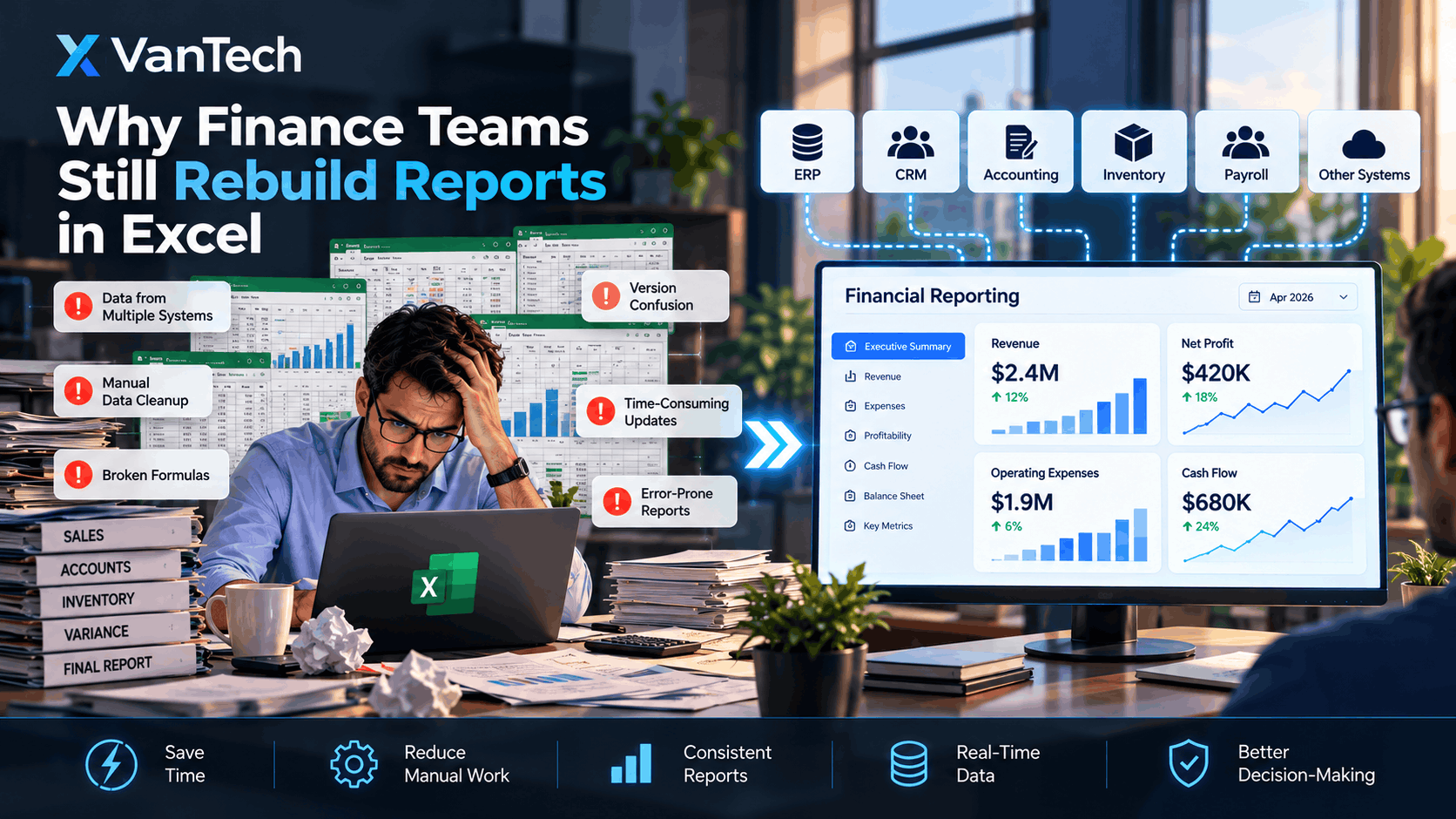
NetSuite is designed to bring financial and operational information into one system. Yet many finance teams still export data from NetSuite and rebuild important reports in Excel every month. The process often looks familiar. Someone downloads a report or saved search, removes unwanted rows, changes account labels, adds formulas, combines data from different subsidiaries, and […]
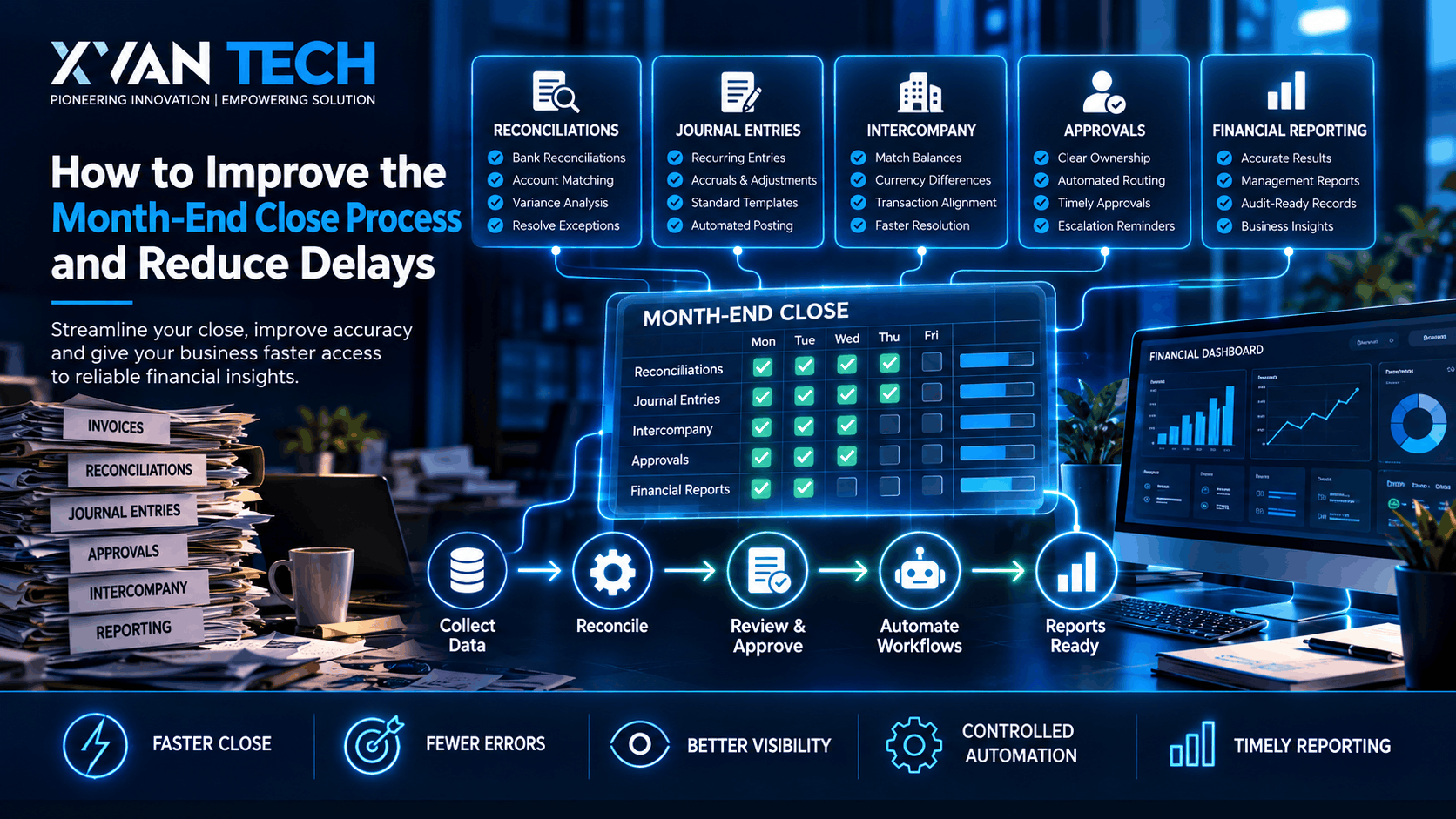
For many finance teams, completing the month-end close takes more than eight business days. During that time, accountants work under pressure, managers wait for reliable numbers, and business leaders make decisions using incomplete information. It is easy to assume that one major issue is responsible for the delay. In practice, the problem is usually more […]

Enterprise resource planning (ERP) systems contain some of the most important information in a business. They help organizations manage orders, inventory, purchasing, finance, supply chains, and other operational processes. Artificial intelligence can make that information more useful. It can help employees investigate discrepancies, summarize reports, identify unusual transactions, forecast demand, and automate parts of established […]

A growing business can have good software and still have bad data. The CRM may contain one version of a customer. The ERP may contain another. Accounting may have a slightly different company name. An e-commerce platform may have created a duplicate customer record. A spreadsheet may contain the version that someone in operations believes […]

A growing business rarely has a single system containing all of its important information. Customer information may live in a CRM. Orders may be processed through an e-commerce platform. Financial transactions may live in an ERP or accounting system. Inventory may be managed somewhere else. Employees may work from spreadsheets. Executives may rely on dashboards […]

As a business grows, its technology environment usually grows with it. A CRM gets added for sales. An ERP manages finance and operations. Accounting may run in another platform. HR has its own system. E-commerce creates another stream of customer and order data. Leadership wants dashboards, while individual teams still maintain spreadsheets because the official […]

ERP Data Migration: How to Move Your Business Data Without Breaking Your Operations An ERP implementation changes more than the software employees use every day. It changes where important business information lives, how departments access it, how transactions are processed, and often how the company operates. That makes ERP data migration one of the most consequential […]
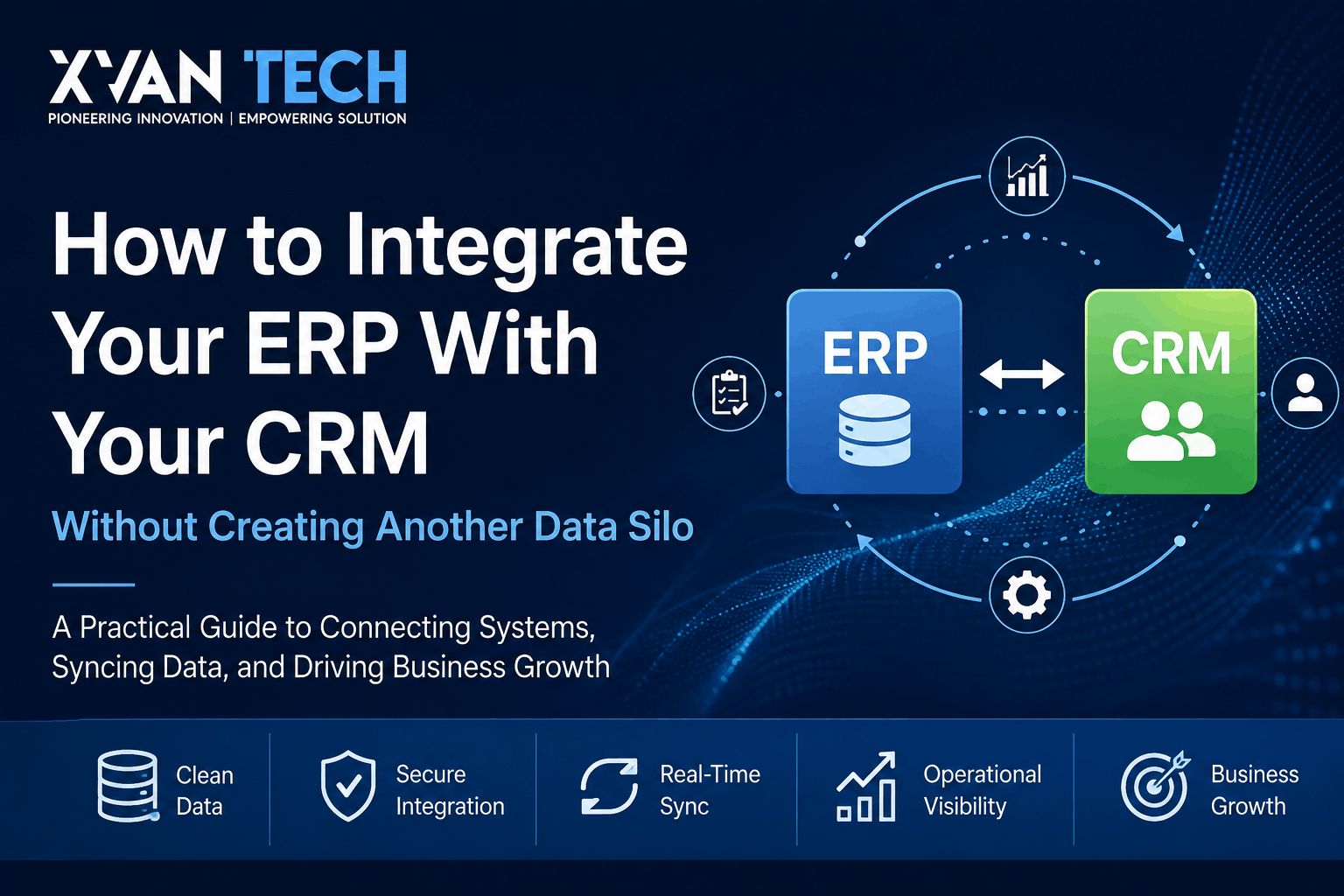
Your CRM knows what your customers are buying. Your ERP knows what actually happened after they bought it. Let me tell you how to integrate your ERP with your CRM!! When those two systems don’t agree, the problem rarely stays inside IT. Sales sees one customer record. Finance sees another. Operations has a different order […]

What Causes ERP Implementation Delays? An ERP implementation rarely falls behind because of one dramatic technical failure. More often, the schedule starts slipping in small ways. A department has not approved its requirements. Data is not ready for migration. An integration turns out to be more complicated than expected. Users are unavailable for testing. A […]